Waterproof Concrete in Cape Town: Costs, Benefits & Uses
Classification
Waterproofing
Timestamp
April 2026
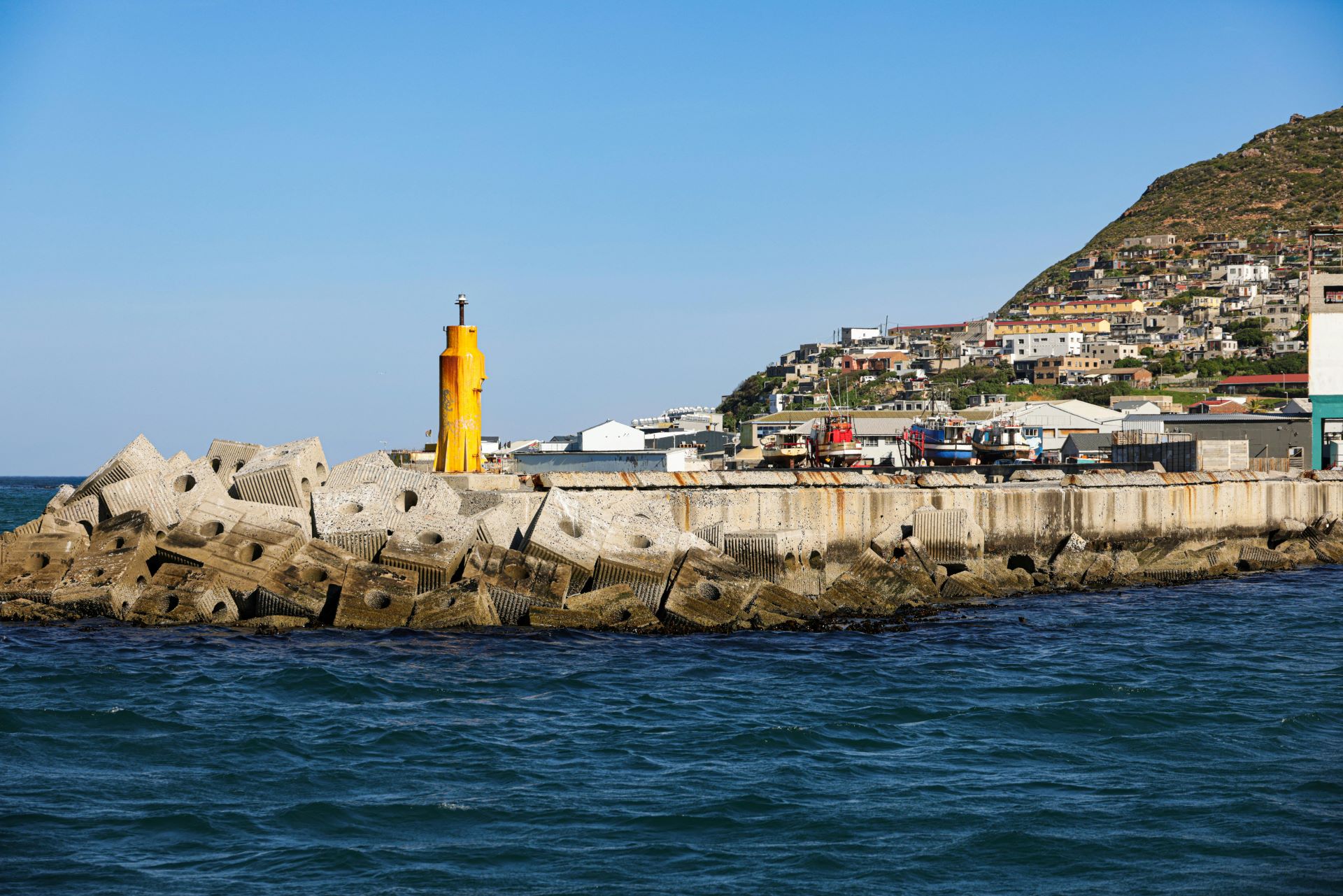
Understanding the Moisture Challenge in Cape Town
Cape Town’s unique climate presents significant challenges for construction. With a mix of heavy winter rains and humid coastal conditions, moisture infiltration is one of the most persistent issues builders face. Walls, foundations, and floors are constantly at risk, leading to structural weakening, mould growth, and long-term maintenance costs. Moisture-related damage isn’t just a cosmetic concern—it affects the longevity of buildings, the health of occupants, and overall property value.
Waterproof concrete emerges as a potential solution, offering enhanced protection against water penetration. But is it truly worth the investment? Understanding its functionality, costs, and ideal applications is crucial for homeowners, contractors, and developers operating in Cape Town’s diverse environmental conditions.
What Is Waterproof Concrete?
Waterproof concrete isn’t entirely impervious to water, but it is engineered to significantly reduce permeability. Its formulation typically involves admixtures that block water pathways, creating a dense structure that resists moisture migration. The mix may include integral waterproofing agents, crystalline additives, or other chemical compounds designed to react with cement and water, sealing micro-cracks and pores within the concrete.
Unlike traditional concrete that can absorb water over time, waterproof concrete limits the flow of moisture, making it especially valuable in areas with high water tables, heavy rainfall, or proximity to the ocean. Its effectiveness largely depends on proper mix design, curing processes, and precise application techniques.
Key Benefits of Waterproof Concrete
Investing in waterproof concrete provides several practical advantages, particularly in Cape Town’s challenging construction environment.
Enhanced Durability: By reducing water penetration, concrete maintains its strength over time, resisting erosion, freeze-thaw cycles, and chemical degradation from salts and other minerals common in coastal areas.
Reduced Maintenance: Waterproof concrete helps prevent seepage, efflorescence, and mould growth, lowering repair and cleaning costs over a building’s lifespan.
Structural Integrity: Foundations, retaining walls, basements, and slabs are less likely to suffer cracking or water-related failures, which can otherwise compromise safety.
Health Benefits: Controlling moisture limits the growth of mould and mildew, contributing to a healthier indoor environment for occupants.
Long-Term Cost Savings: While initial costs are higher, the reduced need for repairs and maintenance can make waterproof concrete a financially sound decision for long-term projects.
Costs and Considerations in South African Construction
Waterproof concrete typically costs more than standard concrete, primarily due to specialized admixtures and quality control requirements. In South Africa, depending on suppliers and project scale, costs can range from 15% to 40% higher than conventional mixes.
Contractors must also consider additional factors:
· Skilled Application: Proper handling, mixing, and curing are critical. Mistakes can compromise waterproofing and waste the investment.
· Project Suitability: Not all structures need waterproof concrete. Overusing it can unnecessarily inflate budgets without proportional benefits.
· Local Climate Impact: Cape Town’s coastal zones and low-lying areas may justify its use more than inland areas with minimal rainfall.
Careful cost-benefit analysis is essential. For residential homes in water-prone areas, waterproof concrete can prevent costly repairs. For commercial projects, it may reduce downtime, maintenance costs, and liability risks associated with water damage.
Ideal Applications for Waterproof Concrete in Cape Town
Certain structures benefit more than others from waterproof concrete. Key areas include:
Basements and Foundations: High water table areas and heavy rainfall zones are prone to seepage. Waterproof concrete offers long-term protection.
Swimming Pools and Water Features: Maintaining water integrity is essential to prevent leaks, structural damage, and costly refills.
Retaining Walls and Coastal Structures: Saltwater exposure can accelerate corrosion and weakening. Waterproofing helps prolong lifespan.
Roof Slabs and Terraces: Flat surfaces with limited drainage benefit from reduced water penetration and protection against cracks.
Bathrooms and Wet Areas: For both residential and commercial properties, waterproof concrete enhances hygiene and durability.
Choosing the Right Waterproof Concrete Solution
Selecting the best product requires attention to both chemical formulation and construction practices. Admixtures vary from integral crystalline technology, which reacts with water to seal pores, to hydrophobic agents that repel moisture. The choice depends on project needs, environmental exposure, and budget constraints.
Contractors in Cape Town should also consider local suppliers, available expertise, and past project outcomes. Testing and quality control are essential—poorly executed waterproof concrete can be worse than standard concrete because it creates a false sense of protection while masking underlying issues.
Practical Tips for Homeowners and Builders
· Ensure detailed project planning, including site drainage and foundation design.
· Work with experienced contractors familiar with waterproof concrete technology.
· Invest in proper curing techniques to maximise performance.
· Combine waterproof concrete with external drainage, sealants, and membranes for optimal results.
Even small oversights can compromise the effectiveness, making careful project management crucial.
Long-Term Outlook for Waterproof Concrete in Cape Town
As Cape Town continues to develop and face climate variability, waterproof concrete is likely to play an increasingly important role in construction projects. Rising property values, stricter building codes, and awareness of long-term maintenance costs make it an attractive option. While upfront costs are higher, its role in preserving structural integrity, reducing repairs, and providing peace of mind makes it a compelling consideration for both residential and commercial construction.
Is It Worth It?
For Cape Town, where moisture-related issues are pervasive, waterproof concrete can be an invaluable investment. While it is not a universal solution and requires careful application, its benefits—durability, reduced maintenance, structural protection, and health advantages—often outweigh the higher upfront cost. For projects in high-risk zones such as coastal areas, basements, and water-exposed structures, the value is undeniable. Ultimately, it is a strategic choice that protects both the building and its occupants from the long-term consequences of moisture infiltration.
Waterproof concrete is not just a material; it’s a long-term insurance policy for structures that must endure Cape Town’s unique weather and environmental conditions.