Steel vs Aluminum: Best Choices for Coastal Structures
Classification
Commercial Construction
Timestamp
April 2026
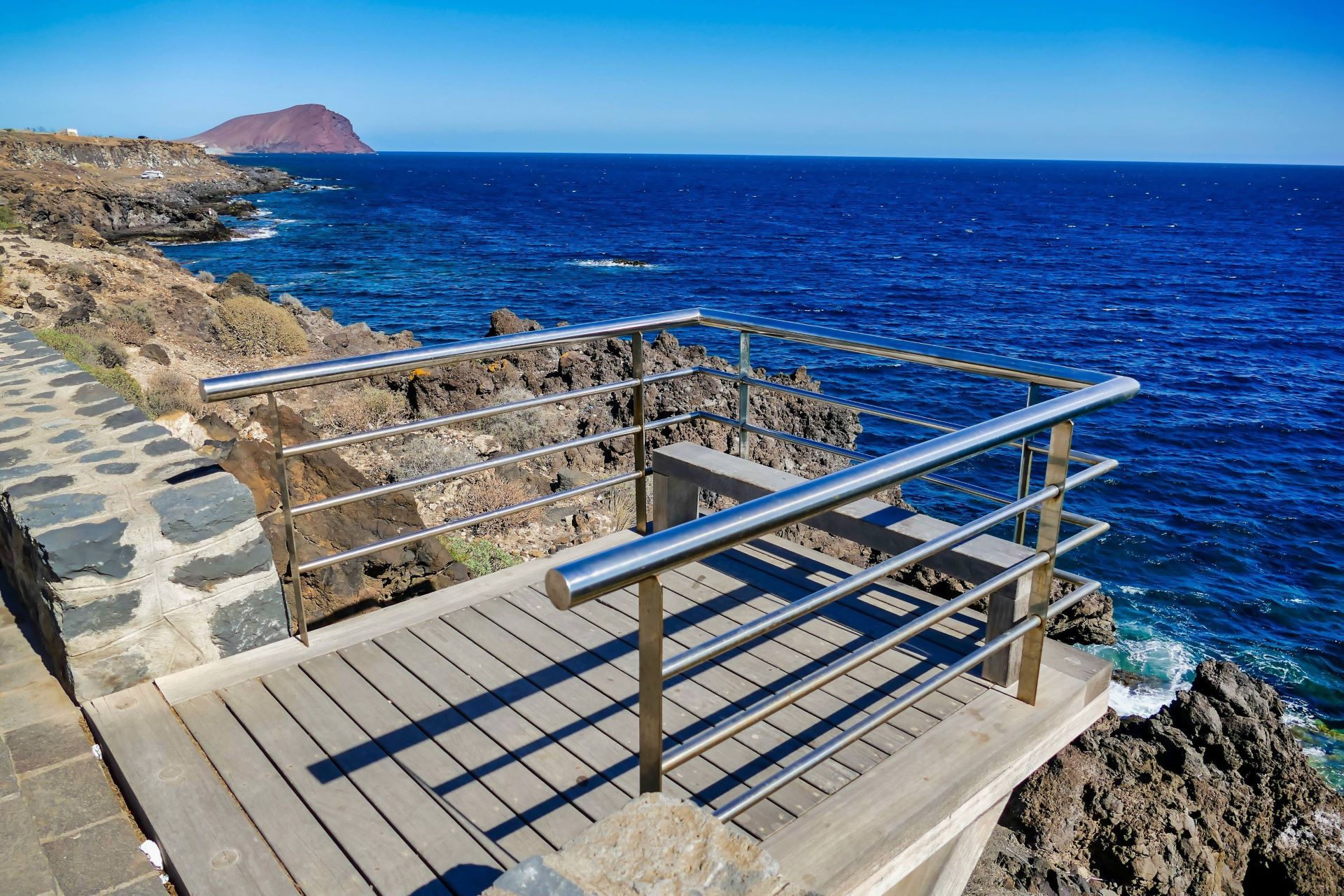
Coastal construction in Cape Town is a complex balancing act. With the Atlantic winds, salty air, and shifting tides, structures face relentless environmental pressures. Choosing the right material is more than a cost decision; it directly impacts durability, maintenance, and long-term performance. Steel and aluminum are among the most common metals used, but their properties, behaviors in coastal conditions, and maintenance needs differ significantly.
Understanding the trade-offs between steel and aluminum can guide engineers, architects, and builders toward more resilient, cost-effective coastal structures.
Environmental Challenges of Coastal Construction
Cape Town’s coastline presents unique challenges. The combination of high humidity, salty sea spray, and fluctuating temperatures accelerates corrosion. Salt acts as an electrolyte, making metals prone to rust, pitting, and galvanic corrosion. Strong winds carry abrasive particles, adding mechanical wear to chemical degradation. Structures near the surf zone are especially vulnerable, while elevated constructions face less frequent wetting but still deal with airborne salts.
Beyond corrosion, structural design must account for wind loading, potential wave impacts, and soil erosion in areas near the shoreline. These factors influence not just material choice but also section sizing, protective coatings, and ongoing maintenance strategies.
Steel: Strength Meets Vulnerability
Steel remains a cornerstone of construction for its unmatched strength, load-bearing capacity, and versatility. High-strength structural steel allows for longer spans, thinner sections, and heavier load handling, making it ideal for piers, boardwalks, and marine facilities.
However, untreated steel is highly susceptible to corrosion in coastal environments. Oxidation forms rust, which weakens the metal over time and can compromise structural integrity. Protective strategies include galvanization, high-performance paints, and cathodic protection. Regular inspection and maintenance are critical, as small areas of corrosion can rapidly escalate in salt-laden air.
Design considerations for steel structures must account for thermal expansion, potential for fatigue under cyclic wave loading, and galvanic interactions with other metals. When designed and maintained properly, steel can last decades even in harsh marine environments, but neglecting protective measures accelerates deterioration.
Aluminum: Lightweight Resilience
Aluminum offers a compelling alternative for coastal applications. Its natural oxide layer provides inherent corrosion resistance, making it highly suitable for structures constantly exposed to saltwater and humidity. Aluminum is significantly lighter than steel, reducing foundation loads and simplifying transportation and installation. This makes it ideal for pedestrian walkways, lightweight piers, and modular structures.
Despite its corrosion resistance, aluminum is not immune to marine challenges. Galvanic corrosion occurs when aluminum contacts more noble metals, such as stainless steel or copper. Protective design strategies, including isolation washers, compatible fasteners, and coatings, are necessary to prevent accelerated deterioration.
Aluminum’s lower modulus of elasticity means it deflects more under load, requiring careful structural design for high-wind or heavy-use applications. Fatigue resistance is generally good, but long-term creep in high-stress members can occur.
Comparative Analysis: Steel vs Aluminum
The decision between steel and aluminum hinges on several factors:
- Corrosion Resistance: Aluminum has the advantage in raw saltwater resistance, whereas steel requires coatings and active maintenance.
- Strength and Load Capacity: Steel outperforms aluminum in heavy load applications and longer spans.
- Maintenance: Steel demands more frequent inspections and protective measures. Aluminum typically requires less routine care but must avoid galvanic interactions.
- Cost: Steel is generally more cost-effective initially but may incur higher long-term maintenance expenses. Aluminum has a higher upfront cost but can lower lifecycle maintenance costs.
- Fabrication and Installation: Aluminum is lighter, easier to handle, and suitable for modular prefabrication. Steel’s weight and hardness often require heavier lifting equipment and more robust connections.
Design Strategies for Coastal Durability
Selecting a material is just the first step; design choices play a critical role in long-term performance. Both steel and aluminum structures benefit from elevated designs to minimize direct seawater contact, adequate drainage, and protective coatings. Detailing to prevent water traps, using sacrificial anodes, and planning for easy inspection access can significantly extend service life.
Hybrid approaches are increasingly common. Combining steel framing with aluminum elements or protective cladding allows designers to optimize strength, weight, and corrosion resistance. For example, steel substructures can provide robust support, while aluminum handrails and decking reduce corrosion exposure and maintenance demands.
Maintenance and Lifecycle Considerations
Coastal structures in Cape Town require a proactive maintenance approach. For steel, this includes routine painting, inspection of welds, and repair of corrosion hotspots. Aluminum structures benefit from inspection of joints and fasteners, cleaning to remove salt deposits, and monitoring for any galvanic issues.
Lifecycle cost analysis often reveals that initial material savings can be offset by high maintenance demands. Engineers must consider not just construction costs but inspection, repair, and eventual replacement schedules when planning long-term projects.
Case Studies from Cape Town
Recent projects along Cape Town’s waterfront demonstrate the practical implications of material choice. Several piers and marina installations have successfully used hot-dip galvanized steel combined with protective coatings to achieve decades-long service life. In contrast, lightweight pedestrian boardwalks along beachfronts often use aluminum to resist salt spray, reduce structural weight, and simplify construction logistics.
Lessons learned from these case studies emphasize that neither steel nor aluminum is universally superior. Success depends on matching material properties to environmental exposure, structural requirements, and maintenance strategy.
Future Trends and Innovations
Material science continues to evolve, offering improved alloys, hybrid solutions, and advanced coatings. Stainless steel grades with higher chromium and molybdenum content can dramatically improve coastal performance, while anodized or powder-coated aluminum enhances resistance to abrasion and UV degradation. Digital monitoring and IoT-enabled inspection tools are emerging to track corrosion in real time, optimizing maintenance scheduling and reducing lifecycle costs.
Choosing between steel and aluminum for coastal structures in Cape Town requires a nuanced understanding of material behavior, environmental stresses, and lifecycle considerations. Steel provides unmatched strength for heavy-duty applications but demands proactive maintenance. Aluminum offers corrosion resistance and lightweight flexibility but requires careful design against load deflection and galvanic corrosion.
Ultimately, the best solution often blends the strengths of both metals, coupled with smart design, protective coatings, and routine inspection. In the challenging coastal environment, informed choices today ensure safer, more durable, and cost-effective structures for decades to come.