Steel Reinforcement and Structural Strength in Cape Town
Classification
Commercial Construction
Timestamp
March 2026
Cape Town’s skyline continues to evolve as new residential towers, commercial developments, and infrastructure projects reshape the city. From high-rise apartments in the city bowl to large mixed-use developments along the Atlantic Seaboard, construction activity has steadily increased as the city grows. Beneath the visible architecture and striking design features, however, lies an essential structural component that rarely receives attention outside engineering circles: reinforced steel.
Concrete remains the backbone of modern construction worldwide, but by itself it has limitations that can compromise structural performance. Reinforced steel, commonly referred to as rebar, addresses those limitations and transforms concrete into a far stronger and more reliable building material. In Cape Town’s demanding coastal environment, reinforcement plays an even greater role in maintaining structural integrity over time.
Understanding how reinforced steel works and why it is indispensable provides valuable insight into how buildings are designed to endure wind loads, seismic activity, heavy traffic, and long-term environmental exposure. For property developers, construction professionals, and homeowners alike, the presence and quality of steel reinforcement can make the difference between a structure that performs safely for decades and one that deteriorates prematurely.
This article explores the importance of reinforced steel in modern construction, focusing specifically on the structural challenges and environmental conditions unique to Cape Town.
The Structural Limits of Concrete
Concrete is one of the most widely used building materials in the world because of its durability, availability, and compressive strength. When subjected to compressive forces, concrete performs exceptionally well. It can withstand heavy loads without significant deformation, which makes it ideal for foundations, columns, and load-bearing walls.
Despite these strengths, concrete has a critical weakness: it performs poorly under tension. Tensile forces occur when a material is pulled apart rather than compressed. In real-world structures, both compressive and tensile forces act simultaneously due to factors such as wind pressure, structural loads, ground movement, and thermal expansion.
Without reinforcement, concrete tends to crack when exposed to tensile stress. Over time, these cracks can propagate through structural elements, reducing the stability and lifespan of the building. Even relatively small structural movements can cause significant damage if the concrete lacks reinforcement.
In Cape Town, these stresses can be amplified by environmental conditions. Strong coastal winds, temperature fluctuations, and occasional seismic activity create dynamic forces that buildings must resist. Reinforced steel helps concrete withstand these forces by compensating for its tensile limitations.
By combining concrete’s compressive strength with steel’s tensile strength, engineers create reinforced concrete systems capable of handling complex structural demands.
What Reinforced Steel Does in Concrete
Reinforced steel is embedded within concrete to provide tensile strength and improve the overall structural performance of the material. Steel bars are placed strategically within concrete elements during construction before the concrete is poured and allowed to cure.
Once the concrete hardens, the steel reinforcement and concrete effectively function as a single structural unit. The steel absorbs tensile forces while the concrete handles compressive loads. This complementary relationship allows reinforced concrete to resist bending, cracking, and structural deformation.
Another important advantage lies in the similar thermal expansion properties of steel and concrete. When temperatures change, both materials expand and contract at similar rates. This compatibility reduces the risk of internal stresses developing within the structure.
In practice, reinforcement may take several forms depending on structural requirements. Reinforcing bars are commonly arranged in grids, cages, or layered frameworks within slabs, beams, columns, and foundations. In large construction projects, engineers design precise reinforcement patterns to ensure that stress is distributed evenly throughout the structure.
Without these reinforcement systems, many modern buildings simply could not exist in their current form.
Types of Steel Reinforcement Used in Construction
Steel reinforcement comes in several different forms, each designed to address specific structural needs within a building project. In Cape Town’s construction sector, the most common reinforcement type is deformed steel rebar.
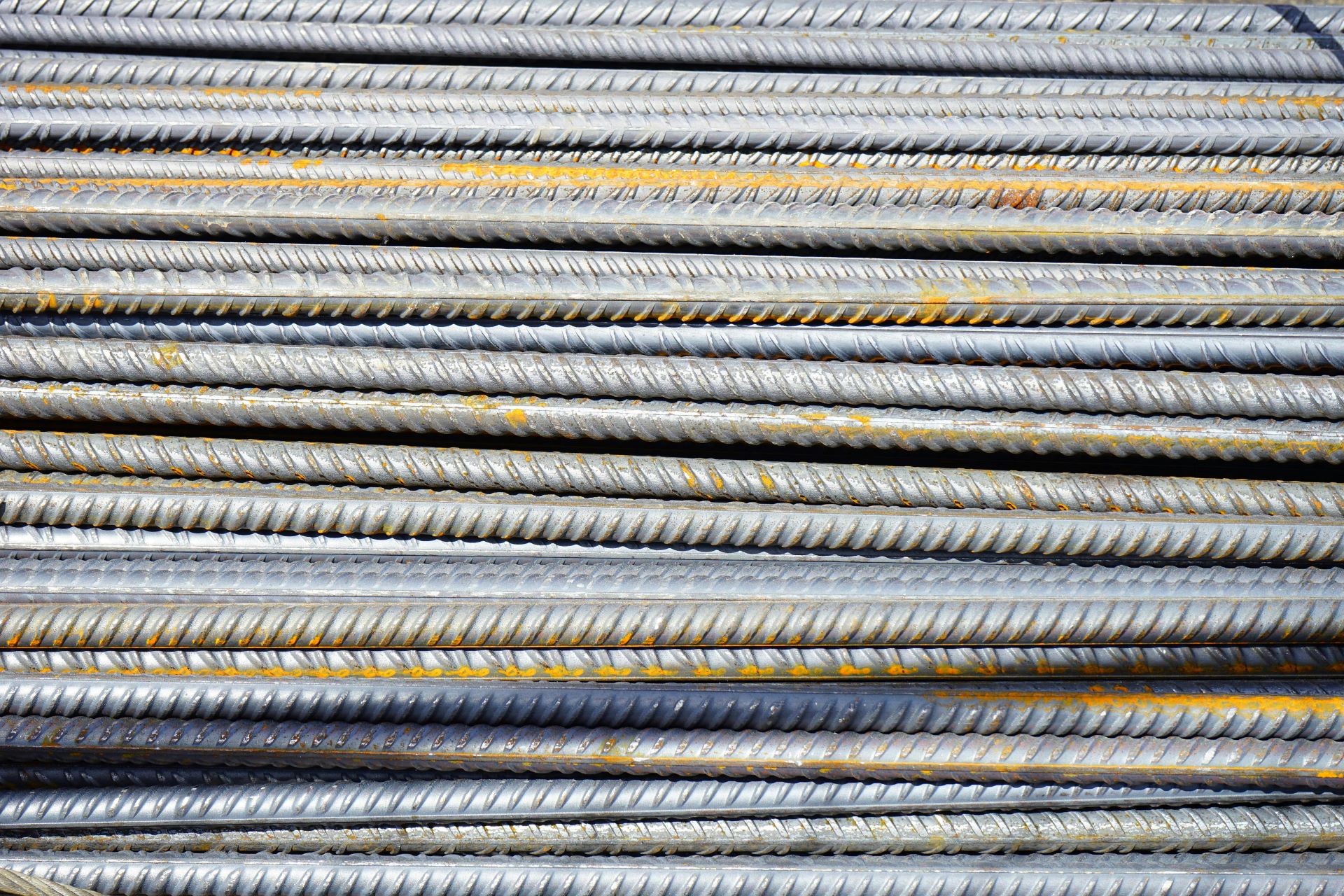
Deformed bars contain surface ridges or patterns that improve bonding with the surrounding concrete. These ridges prevent the steel from slipping inside the hardened concrete, ensuring that the reinforcement remains firmly anchored as structural loads are applied.
Another form of reinforcement is welded wire mesh, which consists of a grid of steel wires welded together at regular intervals. This type of reinforcement is often used in slabs, pavements, and smaller structural elements where distributed reinforcement is required.
For specialized applications, post-tensioned reinforcement systems may be used. These systems involve tensioning steel cables after the concrete has cured, introducing compressive forces that increase structural strength and reduce cracking.
Each reinforcement type plays a specific role in maintaining structural stability, and engineers carefully select the appropriate system based on the design requirements of the project.
Structural Challenges Unique to Cape Town
Construction in Cape Town presents several environmental and geological challenges that influence structural design decisions. The city’s coastal location exposes buildings to salt-laden air, strong winds, and varying ground conditions.
Salt carried by ocean air can accelerate corrosion in exposed metals. When steel reinforcement corrodes, it expands and can cause the surrounding concrete to crack or spall. This process can weaken structural components if proper preventative measures are not taken during construction.
Wind loads also play a major role in structural engineering within the city. Cape Town is well known for powerful winds that funnel through mountain passes and coastal areas. Buildings must be designed to withstand lateral forces generated by these wind patterns.
In addition, certain areas of Cape Town feature variable soil conditions that may require reinforced foundations. Clay soils, sandy terrain, and reclaimed land can all influence how loads are transferred to the ground.
These factors make reinforcement design particularly important for ensuring long-term structural reliability.
Corrosion Protection in Coastal Environments
Because of Cape Town’s proximity to the Atlantic Ocean, corrosion protection for reinforced steel is a major consideration during the construction process.
If steel reinforcement becomes exposed to moisture and oxygen, corrosion can begin to develop. In coastal environments where salt is present, this process accelerates significantly.
Construction engineers mitigate this risk through several methods. Adequate concrete cover is one of the most effective strategies. By ensuring that reinforcement bars are surrounded by sufficient concrete thickness, moisture penetration is reduced.
Specialized coatings may also be applied to reinforcement bars to create additional protection against corrosion. Epoxy-coated rebar, for example, forms a barrier that prevents direct contact between steel and corrosive elements.
In some high-exposure environments, stainless steel reinforcement or corrosion-resistant alloys may be used, although these options typically increase construction costs.
Careful material selection and construction practices play a crucial role in ensuring that reinforced concrete structures maintain their strength throughout their intended lifespan.
Reinforcement Design in Structural Engineering
Reinforcement is not placed randomly within concrete structures. Structural engineers calculate the exact amount, placement, and configuration of reinforcement needed to support anticipated loads.
These calculations consider factors such as building height, occupancy loads, environmental forces, and the distribution of structural stresses throughout the building.
In Cape Town, structural engineers must also consider national building regulations and safety standards that govern reinforcement practices. Compliance with these standards ensures that buildings meet minimum safety requirements and can withstand environmental stresses.
Computer modeling tools are frequently used during the design phase to simulate how structures will behave under different loading scenarios. These simulations help engineers optimize reinforcement layouts while maintaining cost efficiency.
Through this detailed planning process, reinforcement becomes an integral part of the building’s structural framework rather than simply an added material component.
The Role of Reinforcement in Foundations
Foundations are among the most critical structural elements in any building. They transfer loads from the structure above into the ground below.
Reinforced steel plays a key role in ensuring that foundations remain stable under varying loads and soil conditions. Reinforcement helps prevent cracking in concrete foundations while distributing loads more evenly across the structure.
In areas of Cape Town where soil conditions may shift or settle over time, reinforced foundations provide additional resilience. This reduces the likelihood of structural movement that could lead to cracking in walls or floors.
Large commercial projects often incorporate extensive reinforcement cages within foundation slabs and footings to accommodate heavy loads and maintain structural stability.
Reinforced Concrete in High-Rise Development
Cape Town’s urban densification has led to increased demand for high-rise residential and commercial buildings. Reinforced concrete forms the structural backbone of many of these developments.
Tall buildings experience significant lateral forces from wind and other environmental factors. Reinforced concrete cores, shear walls, and columns provide the rigidity needed to resist these forces.
Steel reinforcement within these structural elements allows the building to flex slightly under stress without suffering permanent damage. This controlled flexibility is essential for maintaining structural safety during extreme weather events.
Without reinforced steel, constructing tall buildings capable of safely accommodating thousands of occupants would be extremely difficult.
Infrastructure and Public Works
Beyond private developments, reinforced steel also plays a vital role in public infrastructure across Cape Town.
Bridges, tunnels, roadways, and water treatment facilities rely heavily on reinforced concrete to maintain structural integrity under heavy usage and environmental exposure.
Road bridges, for example, must support thousands of vehicles daily while resisting dynamic loads and vibration. Reinforced concrete beams and decks provide the strength needed to carry these loads safely.
Similarly, water reservoirs and wastewater treatment structures depend on reinforcement to prevent cracking that could compromise containment systems.
These infrastructure projects demonstrate how reinforcement extends far beyond individual buildings and contributes to the resilience of the entire urban environment.
Quality Control in Reinforcement Installation
Even the best reinforcement design can fail if installation is poorly executed. Proper placement, spacing, and anchoring of steel reinforcement are critical to achieving the intended structural performance.
Construction teams use spacers and supports to maintain the correct positioning of reinforcement bars within formwork before concrete is poured. If reinforcement shifts during the pouring process, the structural performance of the element may be compromised.
Quality inspections are typically conducted throughout the construction process to ensure compliance with engineering specifications. These inspections verify reinforcement size, placement, and coverage before concrete placement proceeds.
Strict quality control helps ensure that the theoretical strength calculated during the design phase is actually achieved in the finished structure.
Longevity and Lifecycle Performance
One of the greatest advantages of reinforced concrete is its long-term durability. When properly designed and maintained, reinforced concrete structures can last for decades or even centuries.
Reinforced steel allows buildings to withstand daily stresses, environmental exposure, and gradual material aging without significant structural degradation.
In Cape Town, where property values and urban development continue to grow, ensuring long service life for buildings is particularly important. Durable construction reduces maintenance costs and helps protect property investments over time.
Reinforced steel therefore contributes not only to structural safety but also to the economic sustainability of construction projects.
Reinforced steel remains one of the most critical components in modern construction. By addressing the tensile weaknesses of concrete, steel reinforcement enables engineers to design structures capable of withstanding complex loads and environmental conditions.
In Cape Town, where coastal exposure, strong winds, and variable ground conditions create unique structural challenges, reinforcement plays an especially vital role in maintaining building integrity.
From foundations and high-rise towers to bridges and infrastructure systems, reinforced steel forms the hidden framework that supports the city’s built environment.
While it may remain invisible once construction is complete, its presence ensures that buildings remain safe, stable, and durable for generations.
Understanding the importance of steel reinforcement highlights just how much engineering expertise and material science lie beneath the surface of every modern structure.