Ensuring Reliable Security Systems in Cape Town’s Coastal Zones
Classification
Commercial Maintenance
Timestamp
March 2026
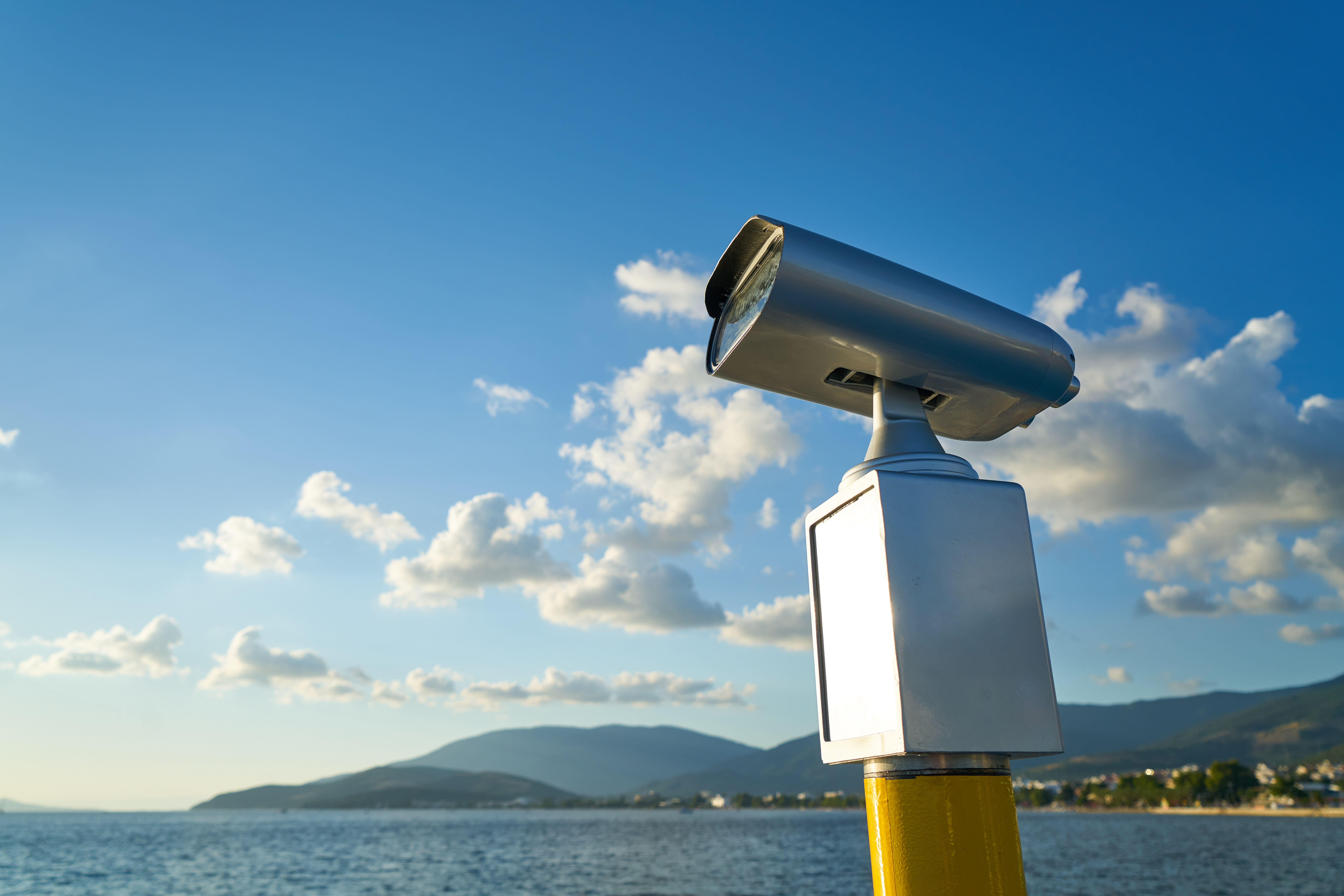
Cape Town’s dramatic coastline is one of its greatest assets and most persistent challenges for building maintenance teams. The constant onslaught of wind‑driven salt spray, temperature fluctuations and moist sea air creates a uniquely corrosive environment. For security cameras, motion sensors and access control systems installed on or near coastal structures, this environment accelerates wear and tear in ways that inland settings rarely demand.
In construction and building maintenance, the typical focus is on structural integrity, waterproofing and safety compliance. Security systems, by contrast, can fall into a reactive rather than proactive maintenance pattern unless their exposure to environmental stressors is explicitly recognised. Salt crystals accumulate on housings and lenses, warm moist air fosters mineral deposits and corrosion, and high winds can stress mounts and cabling. Without a tailored maintenance strategy, the very systems intended to protect assets and people can become unreliable—undermining safety, inviting false alarms, and increasing long‑term costs.
This article explores best practices for cleaning, preventing damage, and systematically checking security hardware in Cape Town’s coastal context. We dive into strategies that blend construction foresight with practical maintenance routines, tailored for the professionals who build and sustain resilient urban environments here.
The Coastal Challenge: Salt, Wind and Moisture Explained
To craft an effective maintenance approach, it helps to understand the “why” behind the damage. Cape Town’s coastal areas are buffeted by strong south‑easterly winds known locally as the Cape Doctor. These winds carry saline particles from the ocean into the urban matrix, where they settle on façades, fittings and, importantly, on exposed electronic systems.
Salt is hygroscopic, meaning it attracts and retains moisture. When it settles on metal components or circuit contacts, even a small amount of humidity can activate salt’s corrosive potential. Over time, corrosion degrades connectors, erodes protective coatings, weakens structural mounts and fogs or scratches optical components.
Moisture condensation is another culprit. Rapid changes from warm daytime temperatures to cool evenings near the ocean can drive condensation within enclosures that are not properly sealed or vented. This trapped moisture accelerates oxidation and can short‑circuit sensitive electronics.
Beyond the chemical effects, wind forces physical stress. Security cameras, particularly pan‑tilt‑zoom (PTZ) models with moving parts, can develop play in their mounts faster than expected. Cable strain increases where winds vibrate exposed conduits, and inadequate strain relief can lead to intermittent faults.
These intertwined challenges create a maintenance imperative: systems must be cleaned, inspected and protected on a schedule that reflects environmental intensity, not just generic manufacturer guidance.
Cleaning Techniques for Coastal Security Equipment
Cleaning cameras and sensors in a coastal zone isn’t a cosmetic chore. It’s an investment in performance, clarity and system longevity. Neglecting regular cleaning allows salt and grime to build up to levels where even powerful imaging systems can fail to capture usable footage.
Begin with selecting the right cleaning products. Aggressive abrasives and household cleaners can damage housing finishes or leave residues that attract more dirt. Instead, use solutions designed for sensitive optical and electronic hardware. A mix of distilled water and mild, electronics‑safe surfactant helps soften salt and grime without leaving mineral traces. For stubborn deposits, isopropyl alcohol (70–90%) applied gently with a lint‑free microfiber cloth or swab removes residues without harming coatings.
Lenses and domes deserve special attention. Dome‑style housings often accumulate micro scratches when debris is wiped across them without proper lubrication. Dampen the cloth before contact, and avoid circular wiping patterns that can grind particles into the surface. Where possible, use compressed air to dislodge loose salt crystals before touching the surface.
For housings and structural parts, a diluted marine‑grade corrosion inhibitor can be applied periodically to form a protective barrier. These products are formulated to slow salt‑induced oxidation without interfering with seals or ventilation ports.
Frequency matters. In high exposure zones along the Atlantic seaboard, weekly checks during peak wind and storm seasons may be necessary. Inland or more sheltered installations might stretch to monthly routines. The key is consistency; salt that is cleaned away before it reacts materially with metal or plastic components is far less likely to cause irreversible damage.
Preventive Checks: The Backbone of Reliable Performance
Cleaning is essential, but it’s only one piece of a comprehensive maintenance regime. Preventive checks identify early signs of damage, wear and environmental stress before they result in failures. These checks should be systematic, documented and integrated into broader facility maintenance plans.
Visual inspection is where preventive checks begin. Walk around each camera, sensor and access control point, scrutinising mounts for rust streaks, loose fasteners or deformed brackets. Cables and conduits should be checked for abrasion, salt accumulation and tension. Connectors and grounding points are particularly vulnerable to corrosion; look for greenish or whitish deposits around metal contacts, which indicate oxidation.
Electrical continuity and signal integrity tests complete the visual examination. Use multimeters and signal testers to verify that cabling has not developed resistance due to corrosion. Fluctuating signal quality is often one of the first signs that internal connectors are compromised.
For cameras, inspecting image quality provides another layer of insight. Blurry or dim footage may result from deposits on the optical surface, but it may also signal internal moisture accumulation. A sudden change in focus, colour balance or low‑light performance merits a deeper look that goes beyond exterior cleaning.
Documentation is essential. Each inspection should be logged with date, findings, corrective actions and recommended follow‑up. Patterns often emerge when data is tracked over months or seasons. For example, a particular camera facing a south‑easterly wind corridor may show corrosion faster than others; this insight can justify relocation, housing upgrades or more frequent maintenance for that specific unit.
Housing and Hardware Upgrades for Coastal Durability
Not all damage can be prevented by cleaning and inspection alone. Sometimes the solution lies in upgrading physical hardware to versions designed for harsh environments. Construction planners in Cape Town should prioritise IP66 or IP67 rated housings for all outdoor security equipment. These ratings indicate protection against dust and powerful jets of water, but in coastal zones, they also imply better seals against salt‑laden moisture.
Stainless steel and marine‑grade aluminium are preferred materials for mounts, brackets and fasteners. Regular steel corrodes rapidly in saline environments, often within months; stainless alloys resist oxidation significantly longer, especially when paired with compatible fasteners and coatings.
Seals and gaskets deserve attention too. Rubber or silicone gaskets can degrade under ultraviolet exposure and salt attack. Choose materials rated for UV and ozone resistance, and replace them proactively rather than waiting for failure.
Cable glands and entry points are common weak spots. Using double‑seal glands secures cabling against moisture ingress while maintaining strain relief. Where possible, route cables through interior paths before final exterior runs, minimising exposure.
Vibration‑damping mounts help reduce wind‑induced stress on moving camera elements. These accessories can extend the useful life of PTZ units by reducing mechanical fatigue.
Integration with Building Maintenance Workflows
Security system maintenance should not be a standalone task. In Cape Town’s coastal construction projects, it must integrate with general building maintenance to maximise efficiency and accountability.
Routine building exterior cleaning, façade checks and waterproofing work are opportunities to evaluate security hardware. When workers are already operating lifts, scaffolding or boom trucks to service cladding or paint, a trained technician can inspect cameras and sensors at the same time. This coordination reduces access costs and ensures that security maintenance is not overlooked.
Maintenance planning should align with seasonal patterns. Cape Town’s winter storms and summer south‑easters have predictable cycles. Scheduling heavier maintenance just before and after peak windy seasons makes sense, rather than spreading effort evenly year‑round.
Training is another critical piece. Facility managers and maintenance crews should know what to look for and how to perform basic cleaning and checks safely. This reduces dependency on external contractors and speeds response times when small issues arise.
Common Mistakes and How to Avoid Them
Even well‑meaning maintenance routines can fail if they fall into common traps. One mistake is using tap water for cleaning optical surfaces. Tap water contains minerals that leave streaks and deposits; distilled water avoids this problem. Another is neglecting power isolation. Always de‑energise cameras and sensors before cleaning or inspection to avoid electrical shock and equipment damage.
Over‑tightening fasteners is another frequent oversight. In an effort to secure mounts against wind, technicians sometimes overtighten brackets, which can crack housings or distort mounts. Torque specifications provided by manufacturers exist for a reason; follow them.
Ignoring manufacturer recommendations for maintenance intervals is also a mistake. Environmental severity varies by location, but manufacturer guidance on lubrication points, seals and mechanical checks provides a valuable baseline.
Case Study: Waterfront Warehouse Security Overhaul
At a storage facility near the V&A Waterfront, maintenance teams documented recurring failures in their perimeter cameras. Footage showed intermittent signal dropout, fogging and rusted housings within 18 months of installation. A targeted overhaul revealed that standard outdoor cameras without enhanced sealing had been installed, and cabling entry points lacked proper glands.
Working with a security integrator, the facility upgraded to IP67‑rated housings with marine‑grade mounts, installed double‑seal cable glands, and implemented a quarterly maintenance schedule. The team also trained in‑house staff on cleaning and inspection best practices.
Within a year, interruptions dropped sharply, lens clarity remained high and the maintenance logs showed fewer corrective actions needed. The small investment in hardware and process alignment delivered a significant boost in reliability and reduced unplanned service calls.
Technology Aids: Adaptive Tools for Harsh Environments
Emerging technologies can supplement manual maintenance routines. For example, some modern security systems offer integrated health reporting that alerts facilities to issues like signal degradation or internal temperature anomalies. When combined with cloud‑based monitoring, these tools can flag potential corrosion or moisture ingress before it causes failure.
Remote cleaning systems, such as hydrophobic lens coatings or self‑cleaning housings, provide partial relief from salt buildup. While not a replacement for human inspection, they can extend the interval between cleanings in high‑exposure zones.
Sensor fusion—where data from multiple environmental sensors (humidity, wind, salt deposits) is analysed alongside camera performance—can help predict when a unit will require attention. Predictive maintenance like this aligns well with Cape Town’s commitment to smart infrastructure.
Building a Coastal Maintenance Mindset
At the heart of reliable security in coastal construction is anticipation. Treat salt, wind and moisture not as occasional nuisances but as ongoing environmental forces that shape maintenance strategies. By cleaning proactively, checking meticulously and choosing hardware built for the challenge, building teams in Cape Town can keep security systems functioning when they matter most.
The cost of preventative care is far lower than the cost of downtime, emergency repairs and compromised safety. As coastal urban environments continue to evolve, so too must the discipline of maintaining the systems that protect them.