Emergency Roof Repairs in Cape Town: First Steps
Classification
Emergency Repairs
Timestamp
May 2026
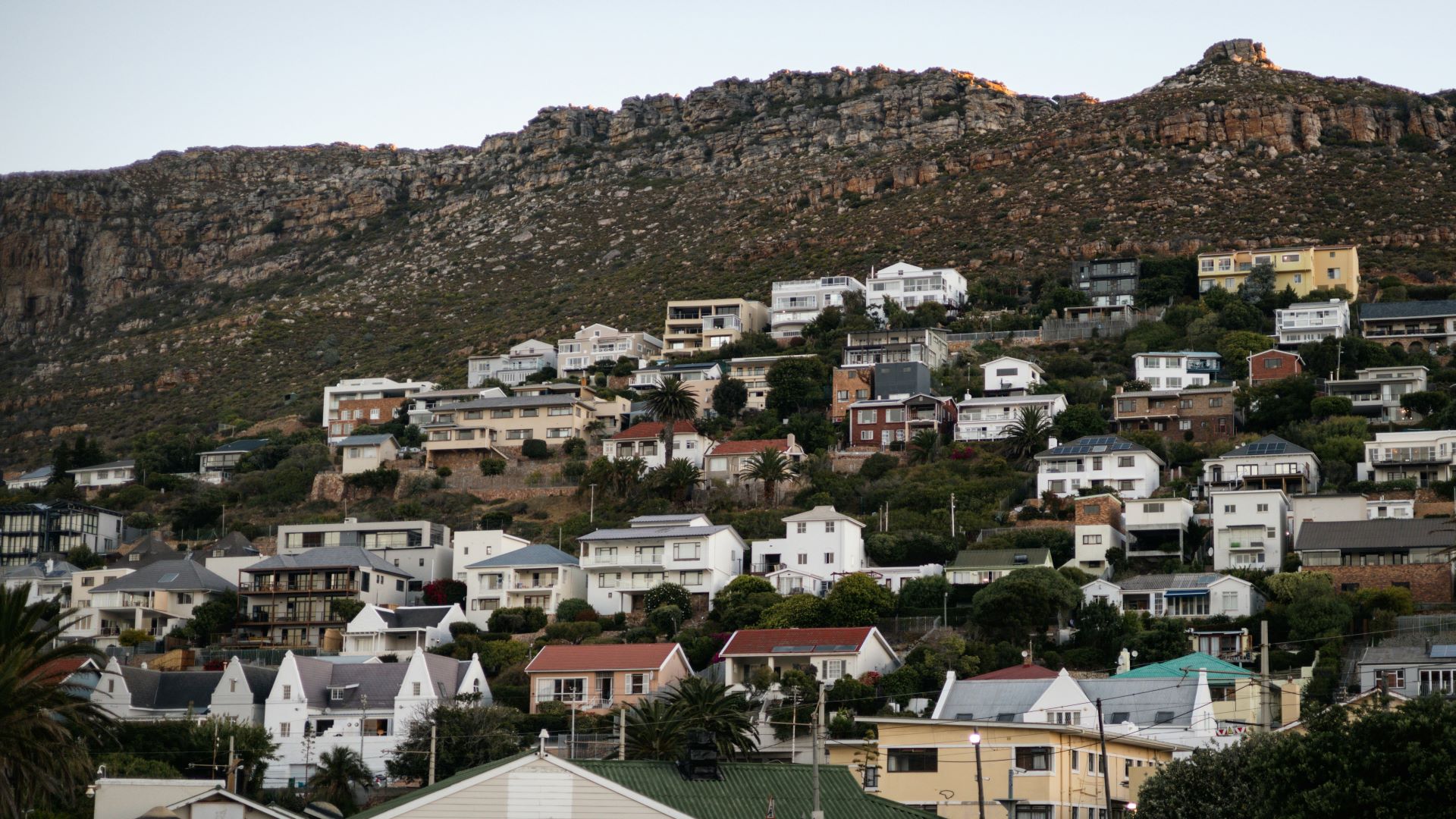
When the Sky Breaks, the Roof Speaks First
Cape Town weather has a dramatic personality. One moment it is windless and warm, the next it is a fast-moving storm rolling in from the Atlantic, dragging rain sideways across rooftops, balconies, and gutters that were never quite prepared for that kind of pressure.
When a roof fails in these moments, it rarely does so quietly. Tiles shift. Sheets lift. Water finds the smallest unseen gap and turns it into a highway straight into ceilings, insulation, and electrical systems. It is not just a roofing issue anymore. It becomes a full building emergency.
The first instinct is usually panic or urgency to “fix it properly.” But proper repairs take time, materials, and often daylight. What matters most in the first hours is not perfection. It is containment. Slowing the damage. Redirecting water. Protecting interiors. Buying time until professionals can take over safely.
This article walks through exactly what to do first when a roof is damaged during a Cape Town storm, focusing on immediate, practical containment steps that reduce damage before contractors arrive.
Understanding the Reality of Storm Roof Damage in Cape Town
Cape Town roofs face a unique combination of stressors. The coastal wind patterns are not gentle. They create uplift pressure that can loosen ridge caps, dislodge clay tiles, and exploit any poorly sealed flashing. Add driving rain, and the roof becomes a system under constant attack.
Common storm-related failures include:
- Lifted or missing roof tiles during high wind gusts
- Water ingress through weakened flashing points
- Blocked gutters causing overflow back into roof edges
- Flat roof ponding that finds micro-cracks in waterproofing layers
- Corrosion on older metal roofing sheets
The key challenge is that damage is often not immediately visible from outside. Water entry points may be metres away from where the leak appears indoors. This makes rapid diagnosis difficult and reinforces the need for containment rather than diagnosis in the first hour.
First Priority: Safety Before Everything Else
Before touching anything, the building must be made safe. Storm-damaged roofs can create unstable conditions that are not always obvious.
Water and electricity are the most urgent concern. If water is entering ceiling cavities, it may be running along electrical wiring or into light fittings. That combination is where real danger begins.
If there is active leaking near lights or plugs, power to affected circuits should be isolated immediately at the distribution board. If the source cannot be identified safely, it is better to cut power to a larger section of the property temporarily than to risk electrocution.
Ceiling collapse risk is another concern. When plasterboard absorbs enough water, it becomes heavy and unstable. A sagging ceiling is not just cosmetic damage. It can fall without warning.
In these moments, the goal is not to repair anything. It is to make sure nobody is standing under unstable areas and that electrical hazards are neutralised.
Containing Interior Water Before It Spreads
Once safety is addressed, the next step is controlling where the water goes inside the building. Water always follows gravity, but it can be guided temporarily to reduce damage.
Buckets, bins, and large containers should be placed directly under active leaks. If water is dripping through multiple points, prioritise the heaviest flow areas first.
Where ceilings are bulging with trapped water, controlled release may be necessary. This is done by carefully puncturing the lowest point of the bulge so water drains in a controlled stream rather than bursting the entire ceiling section.
This step often feels counterintuitive. Creating a hole in a ceiling seems destructive, but it actually prevents larger structural collapse and spreads damage into a manageable area.
Furniture and electronics should be moved away from affected zones immediately. If items cannot be moved, they should be covered with plastic sheeting or waterproof materials.
Even simple steps like placing towels along skirting boards can slow water migration into flooring and wall cavities.
Temporary Roof Protection from Ground Level
Climbing onto a storm-damaged roof during or immediately after severe weather is dangerous. High winds, wet surfaces, and hidden structural weaknesses make it unsafe for untrained individuals.
However, there are still containment steps that can be taken from ground level or safe access points.
Heavy-duty tarpaulins can be positioned over vulnerable roof sections where accessible, especially on lower slopes or extensions. These should be secured using weighted objects or tensioned using ropes anchored to stable points, not nailed into damaged roofing.
Plastic sheeting is a secondary option when tarps are not available, although it is more prone to tearing in wind.
The objective is not to fully waterproof the roof. It is to reduce direct rainfall entry into known problem zones until professional repairs can be made.
In Cape Town’s wind conditions, securing edges properly is more important than covering large areas. A poorly secured tarp can become a hazard itself, acting like a sail.
Managing Flat Roof Water Pooling
Flat roofs behave differently during storms. Instead of shedding water quickly, they rely on waterproofing membranes and drainage points.
When drains are blocked, water begins to pool. Even shallow pooling adds significant weight and increases the likelihood of leakage through weak points.
If it is safe to access, clearing visible debris from drainage outlets can help restore water flow. Leaves, sand, and wind-blown debris often accumulate quickly during Cape Town storms.
However, do not attempt to cut into waterproofing layers or force drainage through unknown outlets. That can create new failure points.
Where water is already pooling and cannot be drained immediately, temporary redirection using waterproof barriers or temporary bunding can help guide water toward safer drainage areas.
Gutters: The Overlooked Emergency System
Gutters are often the first point of failure in storm conditions, yet they are frequently ignored during emergency response.
When gutters overflow, water runs down exterior walls and can re-enter buildings through window frames, brickwork joints, and roof edges.
If conditions allow safe access from ground level, removing visible debris from gutter outlets can immediately improve flow. Even partial clearing can reduce overflow pressure.
Downpipes should also be checked for blockages at their visible exit points. In Cape Town’s windy conditions, gutters often collect organic debris rapidly, especially in suburban and leafy areas.
The goal is simple: restore water movement away from the building envelope as quickly as possible.
Documenting Damage for Insurance and Repairs
Once immediate risks are under control, documentation becomes important. Insurance claims and contractor assessments rely heavily on visual evidence of the initial damage.
Photographs should be taken of:
- Interior leaks and ceiling damage
- Exterior roof damage where visible
- Water pooling or gutter overflow
- Damaged belongings caused by leaks
It is useful to capture both close-up and wide-angle images to show context. Time-stamped photos are especially valuable.
Notes can also be helpful, particularly around when the leak started, how quickly it spread, and which areas were affected first.
This documentation is not just for claims. It also helps roofing contractors understand the progression of failure, which can influence repair strategy.
What Not to Do During Emergency Roof Repairs
In emergencies, some well-intentioned actions can actually increase damage or risk.
Avoid attempting full roof repairs during active storms. Replacing tiles or sealing cracks in unsafe conditions often leads to incomplete fixes and personal injury.
Do not use random sealants or adhesives on wet surfaces unless specifically designed for emergency roofing use. Most materials will not bond properly under wet and windy conditions.
Avoid placing excessive weight on ceilings or roof structures that have already been compromised. Even light pressure can accelerate collapse.
And importantly, do not ignore small leaks. In Cape Town’s storm cycles, minor ingress often becomes major structural water damage within hours.
Understanding Why Roof Failures Escalate Quickly
Roof systems are designed to manage water, wind, and thermal movement as a whole. When one part fails, pressure shifts to other components.
A single dislodged tile can redirect water into underlayment layers. Once water enters these layers, it spreads laterally before appearing indoors, often far from the original entry point.
Wind uplift can also progressively loosen surrounding materials. What begins as a small breach can expand as wind forces exploit weakened edges.
This is why emergency containment is about slowing system failure, not just stopping visible leaks.
The Role of Emergency Waterproofing Materials
Professional contractors often use specialised materials during emergency callouts, but understanding what they are helps homeowners make better short-term decisions.
Common emergency materials include:
Bituminous membranes, which can provide temporary sealing on dry or semi-dry surfaces.
Roofing tapes designed for wet adhesion in controlled conditions.
Liquid-applied waterproofing compounds used for patch sealing.
However, these materials are typically most effective when applied by experienced technicians who understand curing times and surface preparation requirements.
For homeowners, the priority remains containment rather than application of complex systems.
Communication with Roofing Contractors
Once emergency containment steps are in place, contacting a roofing contractor should be the next priority.
Clear communication helps speed up response times. When speaking to contractors, it helps to describe:
- Type of roof (tile, metal, flat, etc.)
- Visible damage locations
- Severity of internal leaks
- Any temporary containment already applied
In Cape Town’s peak storm season, contractors often prioritise based on severity and safety risk. Clear information helps your property move higher on the urgency scale.
Insurance Considerations in Storm Damage Events
Many property owners in Cape Town rely on insurance coverage for storm-related roof damage, but policies often require evidence of reasonable mitigation.
This means taking steps to prevent further damage is not optional. It is part of compliance.
Leaving water to spread unchecked can sometimes affect claim outcomes. Demonstrating that reasonable containment was attempted strengthens the legitimacy of the claim.
However, avoid permanent repairs before assessor inspection unless instructed otherwise.
Secondary Damage: The Hidden Threat
The visible leak is only part of the problem. Water that enters roof cavities can affect insulation, timber structures, and electrical systems.
Moisture trapped in insulation reduces its effectiveness and can lead to mould growth. Timber structures exposed to prolonged moisture can begin to warp or weaken.
Electrical systems exposed to water may not fail immediately, but can become hazardous later.
This is why post-storm inspection is just as important as immediate containment.
Cape Town-Specific Roofing Challenges
Cape Town’s environment creates specific roofing stress patterns.
Coastal salt air accelerates corrosion in metal components.
Strong wind corridors increase uplift pressure on exposed roofs.
Rapid weather shifts create repeated expansion and contraction cycles in materials.
These conditions mean roofs rarely fail from a single event alone. Storm damage often reveals pre-existing weaknesses.
Emergency repair responses therefore become both reactive and diagnostic.
When the Storm Passes: Stabilisation Phase
Once rainfall stops and winds subside, a new phase begins. This is the stabilisation stage.
Temporary coverings should be checked and reinforced if needed. Interior water damage should be assessed again, as leaks sometimes continue even after rain stops due to trapped water in roof layers.
Drying out affected areas becomes important to prevent long-term mould development. Dehumidifiers, ventilation, and controlled airflow all help reduce moisture retention.
At this stage, scheduling proper repairs becomes urgent rather than optional.
Preventing Future Emergency Roof Situations
While storms cannot be controlled, roof resilience can be improved.
Regular inspection of flashing points helps identify early weaknesses.
Gutter maintenance reduces overflow risk during heavy rain.
Replacement of damaged or slipped tiles prevents progressive failure.
Flat roofs benefit from periodic waterproofing refresh cycles, especially in coastal environments.
Prevention is less about eliminating risk entirely and more about reducing the speed at which small issues escalate.
Control the Damage, Then Control the Repair
Emergency roof damage in Cape Town is rarely clean or simple. It is fast-moving, weather-driven, and often overwhelming in the first moments.
But the key principle remains consistent: containment before correction.
Stop the water from spreading. Protect the interior. Stabilise what you can safely reach. Document everything clearly. Then bring in professionals to complete the repair properly.
A roof failure is not just a structural problem. It is a system event. And the first response is what determines how large that event becomes.
When handled correctly, even severe storm damage can be contained before it turns into long-term structural or financial loss. The roof may have taken the hit, but the building does not have to take the fall.